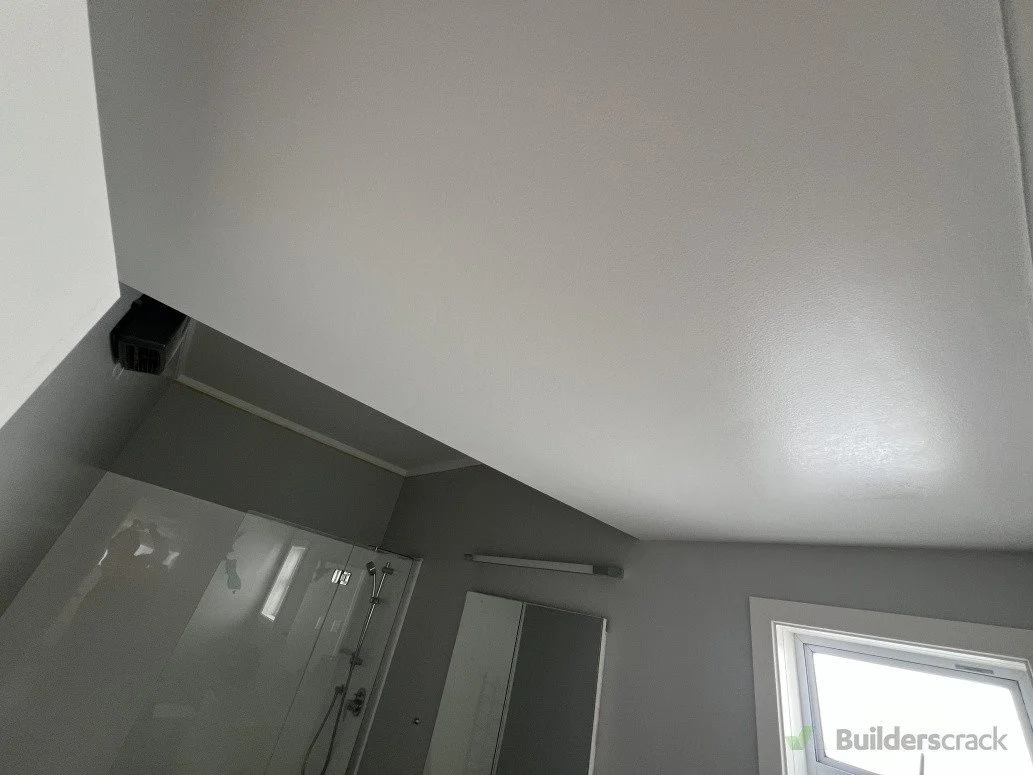
Smooth Ceilings Even in the Bathroom: A Porirua Plastering Job
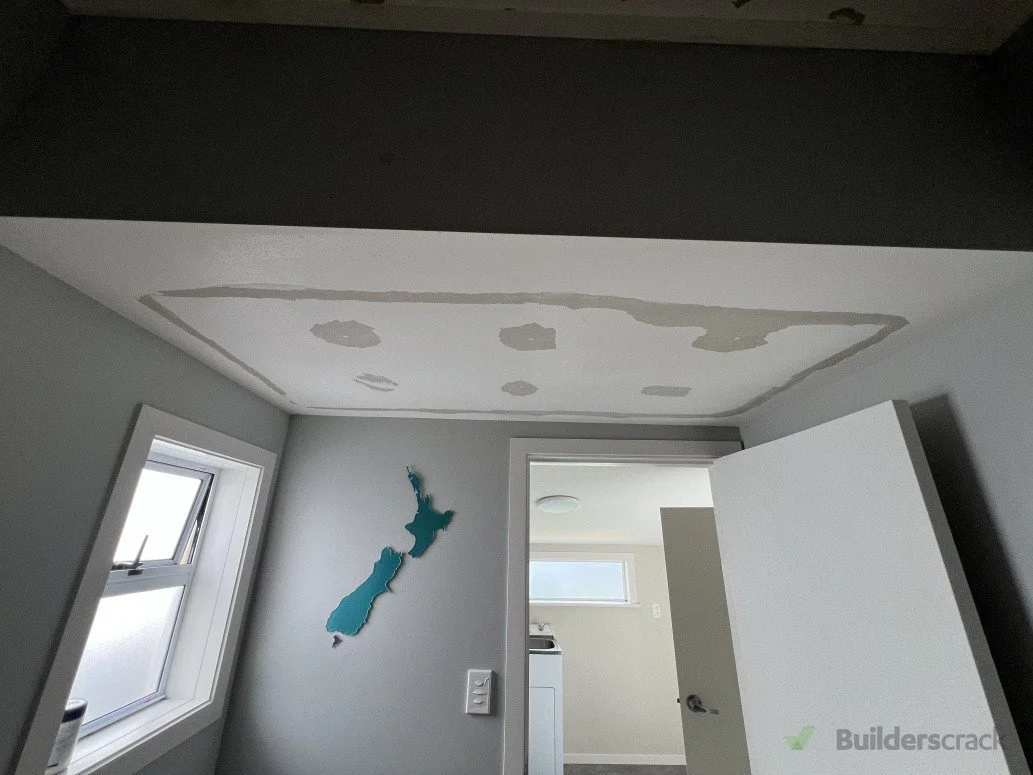
When we took on this job, the bathroom ceiling was showing clear signs of stress—cracks along the joints and patches of damage (you can see the initial holes and peeling in the first 'Before' photos). In bathrooms, this usually means moisture has gotten in and weakened the surface. A simple paint job won't cut it here; you need a proper repair to make the ceiling safe and durable.
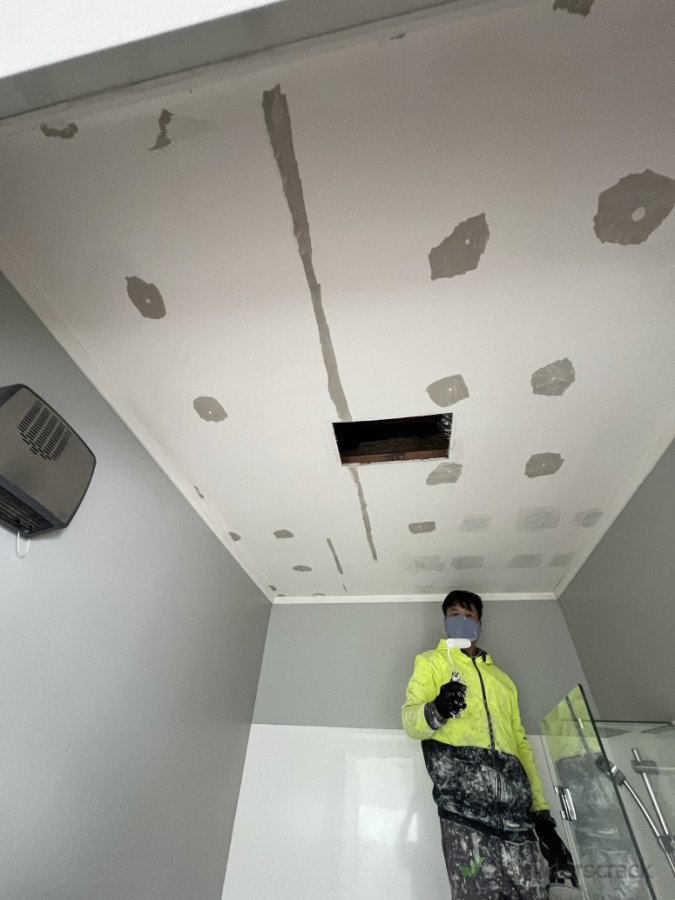
This project was a great example of why we stress the importance of professional Plastering and Gib Stopping before any paint goes on.
Prep and Inspection: We stripped away the damaged areas and prepared the surface. In a bathroom, you have to be extra careful to make sure everything is sealed up tight.
Seamless Gib Stopping: Our expert plasterer meticulously patched the damaged sections. The goal isn't just to fill the hole; it's to blend the new plaster seamlessly into the existing ceiling so that when it's painted, you can't tell there was ever a problem.
The Flawless Finish: After the plaster cured, we sanded it smooth and applied a coat of specialized moisture-resistant paint. This final step locks everything down and helps the ceiling stand up to all the steam and humidity a bathroom generates.
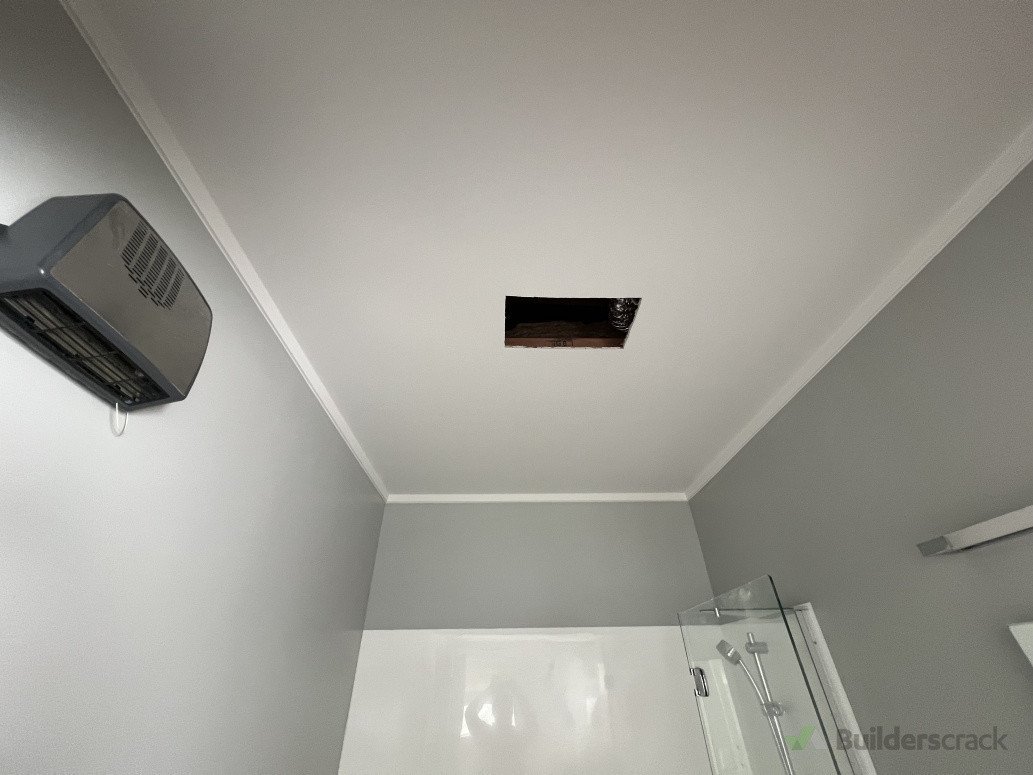
As you can see in the final image, the result is a beautiful, smooth, continuous surface—no more cracks, no more signs of damage. Just a clean, professional finish ready for the homeowner to enjoy.